
My dog’s name is June.
Everything about June is perfect. No, really. Like, everything.
She has heterochromia – one blue eye and one brown. She never bites, never chews, never growls. I’ve heard her bark just once, and that was at a traffic cone that she couldn’t quite make out in the dark of night. She thought it was a threat. I did, too.
There was only one issue I had with June when I first got her. June walks at a glacial pace, and I’m being generous with that term. Her glacial-ity doesn’t have anything to do with June’s health. And she’s not out to annoy me on purpose. (Well, I don’t think she is.)
We’ll walk five feet – June sniffs a tree. Another five feet – June sniffs a gopher hole. Another five feet – just a slab of sidewalk. “We literally walked by this yesterday,” I say to myself, sometimes loud enough for neighbors to hear. “Nothing has changed!” But for June, everything has changed.
An Immense World
See, smell is the primary sense by which June constructs the world around her. In An Immense World, author Ed Yong says that June’s physiology is set up for her to sniff her way through life. The slats in the side of her nose can expel air at the very same time her front nostrils are taking in air, which allows her to sniff while she snuffs!
Yong’s book is an exploration of this phenomenon across a bunch of species in the animal kingdom. Humans, the visual creatures that most of us are, perceive our world primarily through sight – color, shape, affect. But bats, we know, echo-locate. They “see” their world through sound. Sea turtles detect the earth’s magnetic field, allowing them to orient themselves at any given latitude to the north and south pole. To give a compass to a sea turtle for her birthday would not only be entirely ridiculous; it would be redundant! And star-headed moles – Google image search this one, I dare you – feel their way through underground tunnels, locating worms with a quickness and sensitivity that you and I cannot imagine.
That’s Yong’s point, actually. As homo sapiens, the world that we perceive is something completely distinct from the one that other species perceive. We will never know what it is to see the world in infrared with the naked eye. But a warbler does!
Umwelt
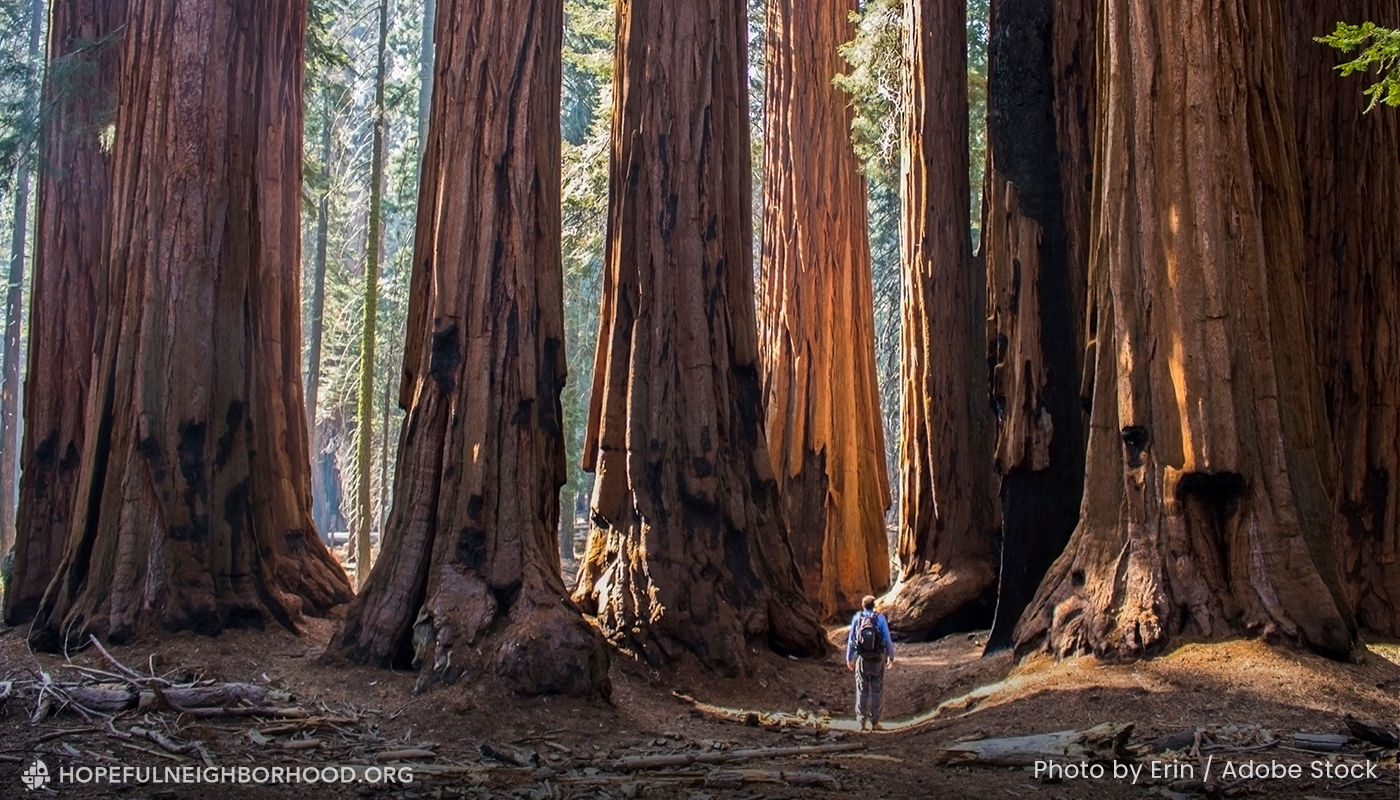
The scientific community has agreed upon a word for this – umwelt. It’s a term borrowed from German that describes the unique slice of the perceived world that a species’ particular set of senses allows it to experience. Umwelt invites us to imagine a world vastly more complex – and wonderful! – than the one we see, smell, hear, feel, and taste. Umwelt places us, perhaps, in healthier relation to everyone and everything. “There is no such thing as immaculate perception,” an old rhetoric professor of mine used to say.
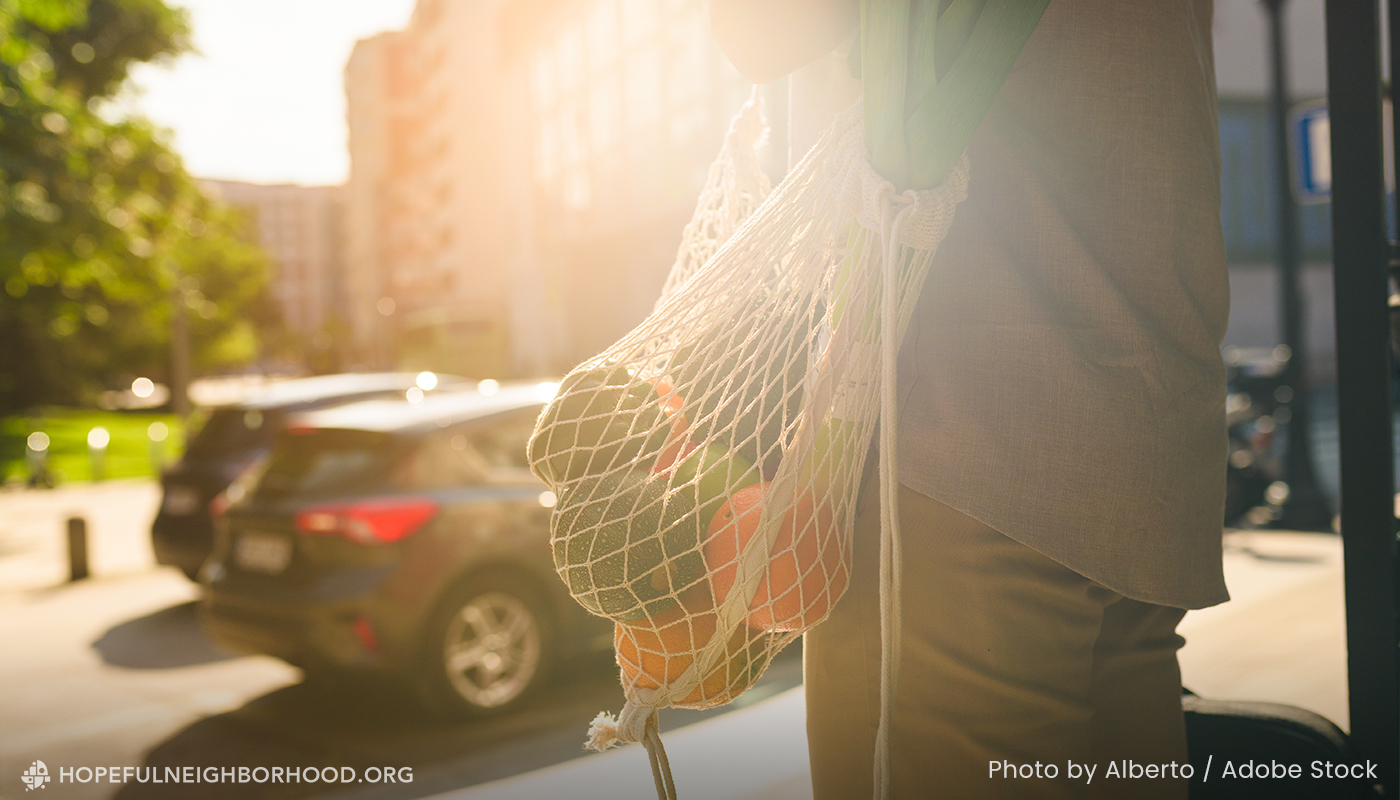
I’ve been in my “gardening era” recently. It has something to do, I’m sure, with getting a little bit older. Or maybe something to do with feeling a sliver of agency in an age of uncertainty – even if it’s just over forty square feet of arable land. The result has been that I now walk around my neighborhood (with June in tow, of course) looking almost exclusively at other people’s gardens. Container boxes or raised beds. Squash or lettuce or peppers. Lots of tomatoes. Nasturtium and basil for companion crops. Drip or sprinkler irrigation. Elaborate trellis systems for beans and peas. Just two months ago, these were blurry foreground features; now they’re my whole universe! Or, should I say, my umwelt.
My neighbor works in tech sales. He and his wife have an infant daughter. They’re growing wildflowers in a horse trough in their side yard. I wonder what his umwelt is like. My friend runs a solar company that’s done jobs all over town. I can imagine she’s got an umwelt. Same with the postal worker, and the lady I buy my tamales from down the street. Who’s someone you wonder about?
What is your umwelt?
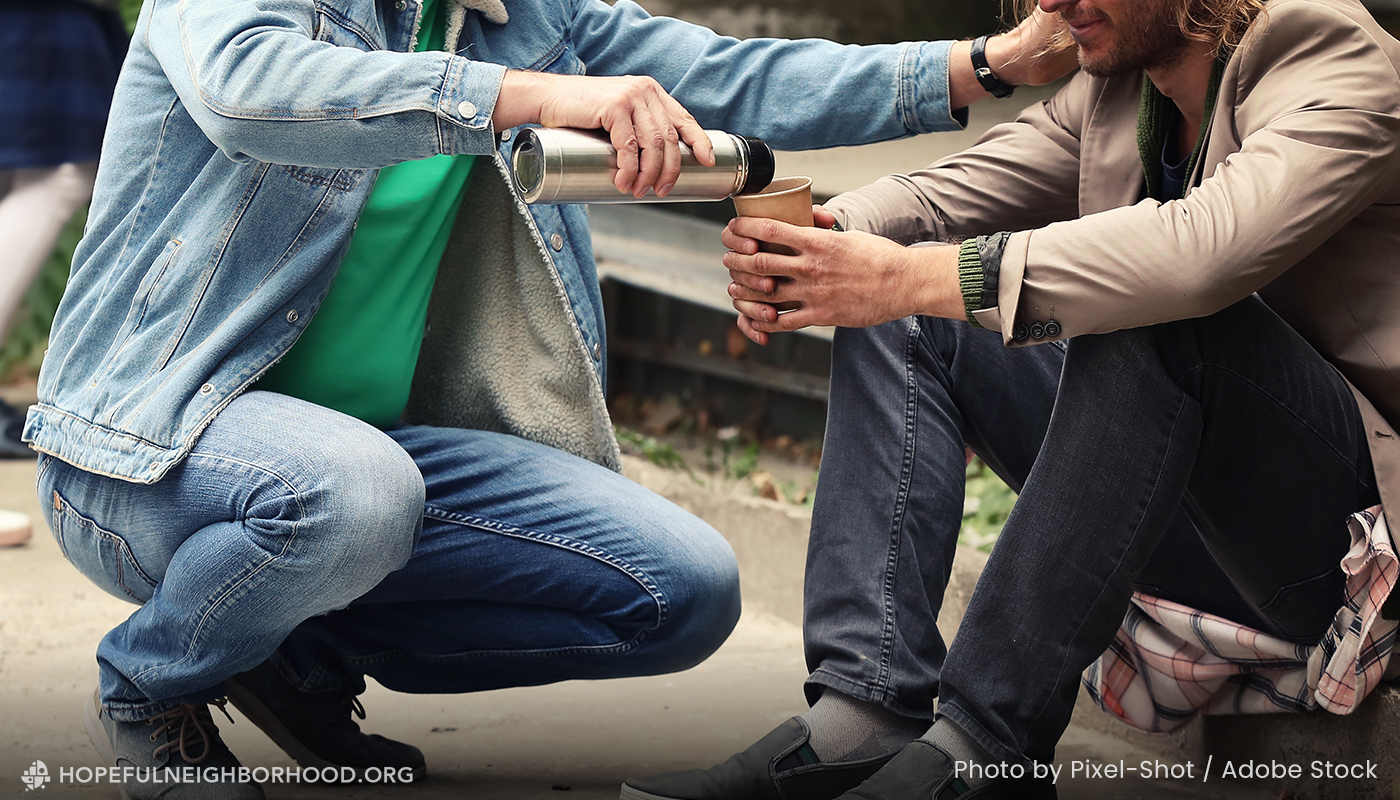
When I consider the world this way – that everyone has some degree of umwelt – I get this simultaneous feeling of relief and… exuberance? Like, if everyone is looking out, or listening out, or feeling out at something a little different from the next person, where does curiosity ever stop? I find that kind of awesome. Maybe this is some of what life is about – striking up a conversation, finally, with someone we’ve seen a few times around work, or at Trader Joe’s, or out walking the dog, and starting to discover their umwelt, one caring question at a time. Sounds like a worthwhile project to me.






0 Comments