“Service is the rent we pay for living. It is the very purpose of life and not something you do in your spare time.” – Marian Wright Edelman
In the fall of 2018, I traveled to the Red Hook neighborhood of Brooklyn to receive training at the Red Hook Community Justice Center. I was working for the City of Birmingham’s Mayor’s Office at the time, and we were exploring restorative and deferment practices to bring into our local justice system. What I found in Red Hook was nothing short of a Copernican Revolution, not because the programs were impressive (they were), but because of why they worked: they had earned the trust of the people they were created to serve. The neighborhood was participating in restorative justice and reconciliation programs that were creating a safer and more just environment. Neighbor was serving neighbor.
That trip crystallized something I’d been slowly learning through a decade of municipal service: government can build systems, but it cannot build relationships. It can fund programs, but it cannot love a neighbor. That work belongs to you.
What Government Can and Can’t Do
I spent ten years in the Mayor’s Office running summer jobs programs, mentoring initiatives, a holiday toy drive, and more. Working alongside nonprofit leaders, from large city-serving organizations to small hyper-local ones, I watched what moved the needle and what didn’t. I also watched a well-intentioned initiative like My Brother’s Keeper lose its momentum when political winds shifted and funding dried up. Good people. Real effort. And still, the systems weren’t enough.
I’ve come to believe that the government’s role is to create systems of flourishing, justice, and opportunity; to provide public safety, reliable services, quality education, and county resources like libraries and recreation centers. But there is a limit to what government can and should do. Beyond that limit is where neighbors come in.
Start With What’s Already There
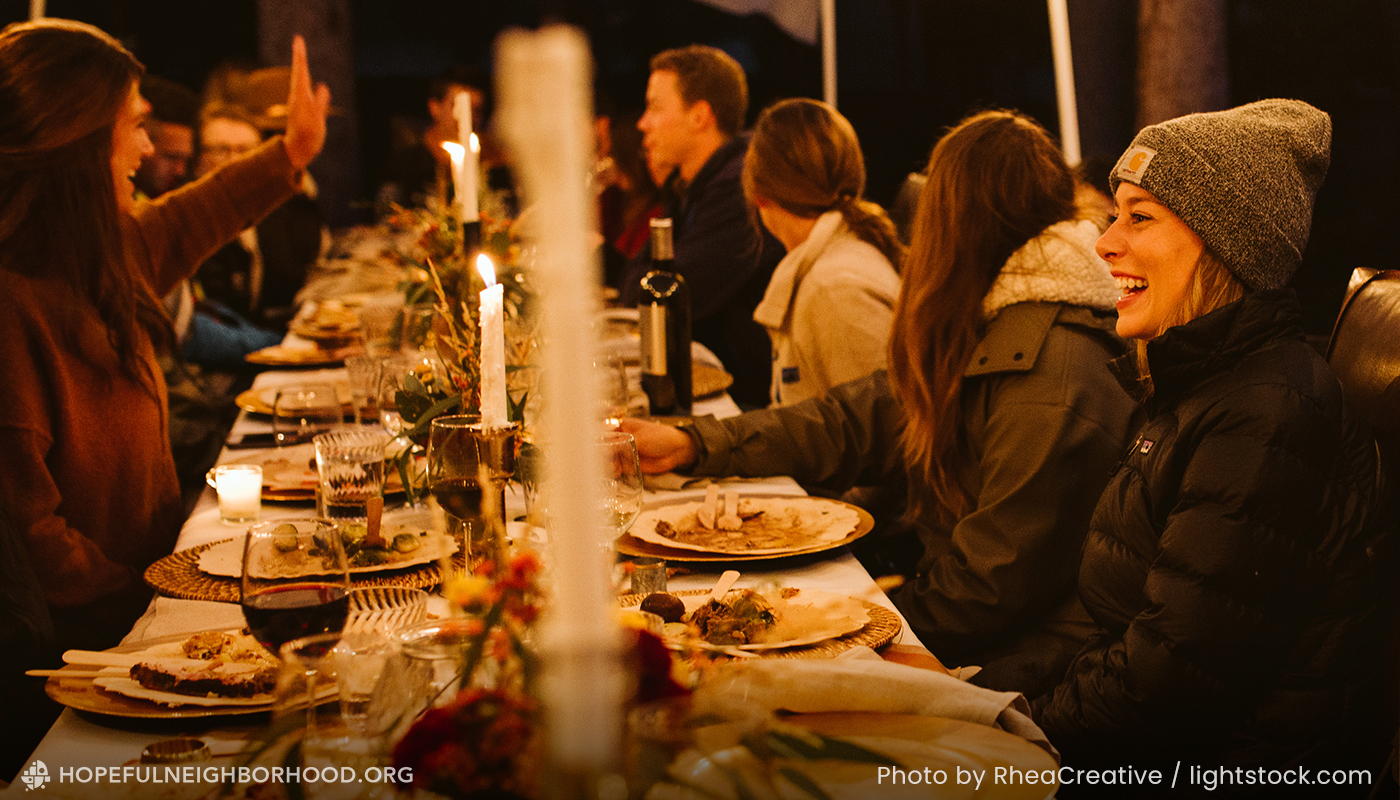
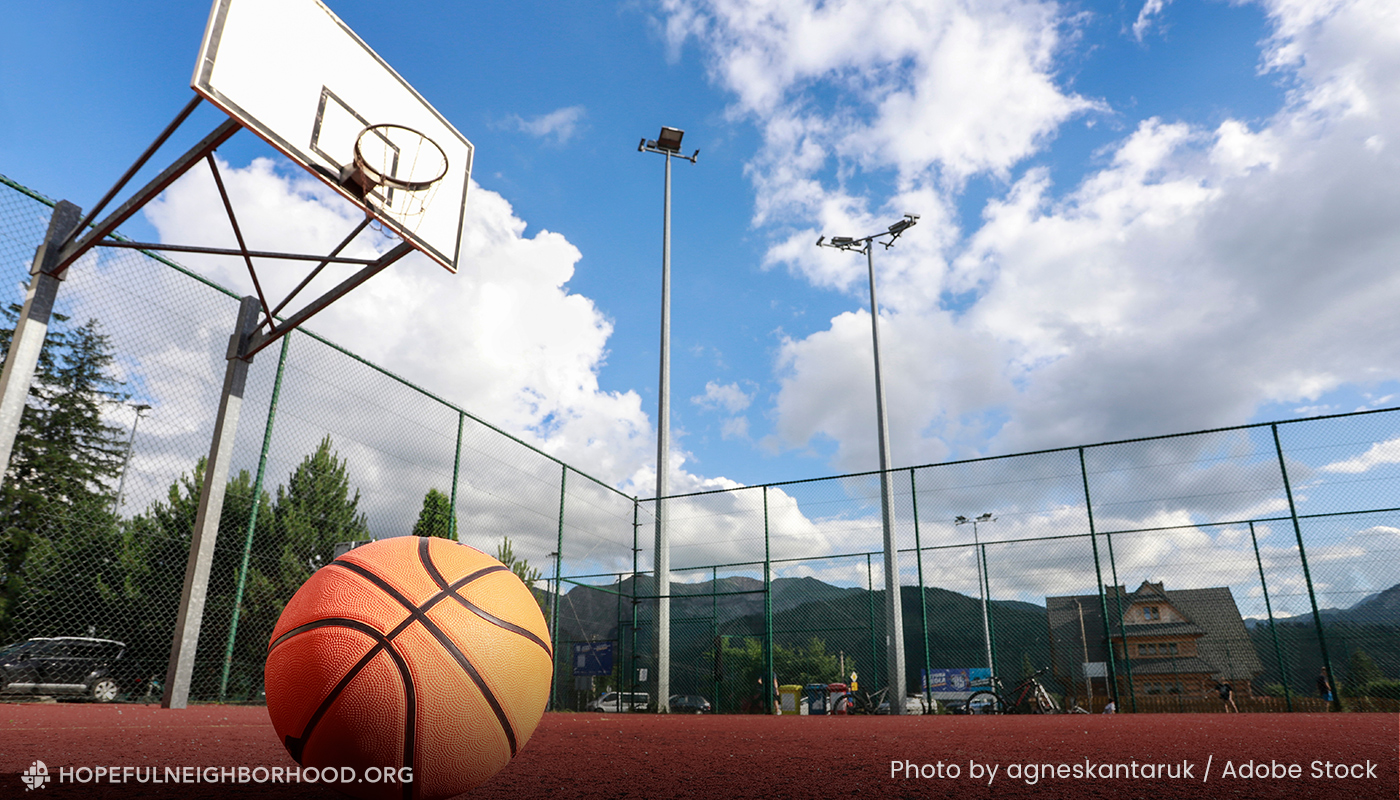
Before you launch something new, learn what’s already working. Most neighborhoods have what’s known as third spaces: gathering places where people come to simply be with one another. Your first place is home. Your second is work. Third spaces are parks, libraries, recreation centers, coffee shops, and even your local Jack’s or McDonald’s. I know people who meet up with friends weekly at fast-food restaurants for conversation and community. These spaces are vital to the well-being of neighborhoods, and they are already there.
I once worked with a church that sold one of its parking lots, in partnership with the local neighborhood association, to create additional space for community connection. When they tried to work alone, they failed, but when they worked with their neighbors, they succeeded.
You Have More to Offer than You Think
The skills you already have—financial literacy, a trade, an art form, a sport, a profession— are exactly what someone in your neighborhood needs. You don’t have to start a nonprofit to make a difference. Here’s what loving your neighbor can look like in practice:
Share your skills. Partner with your local library to host a reading club, a financial literacy class, or a lunch-and-learn on a topic you’re an expert in. You don’t need a 501(c)(3), you need a room and a willingness to show up.
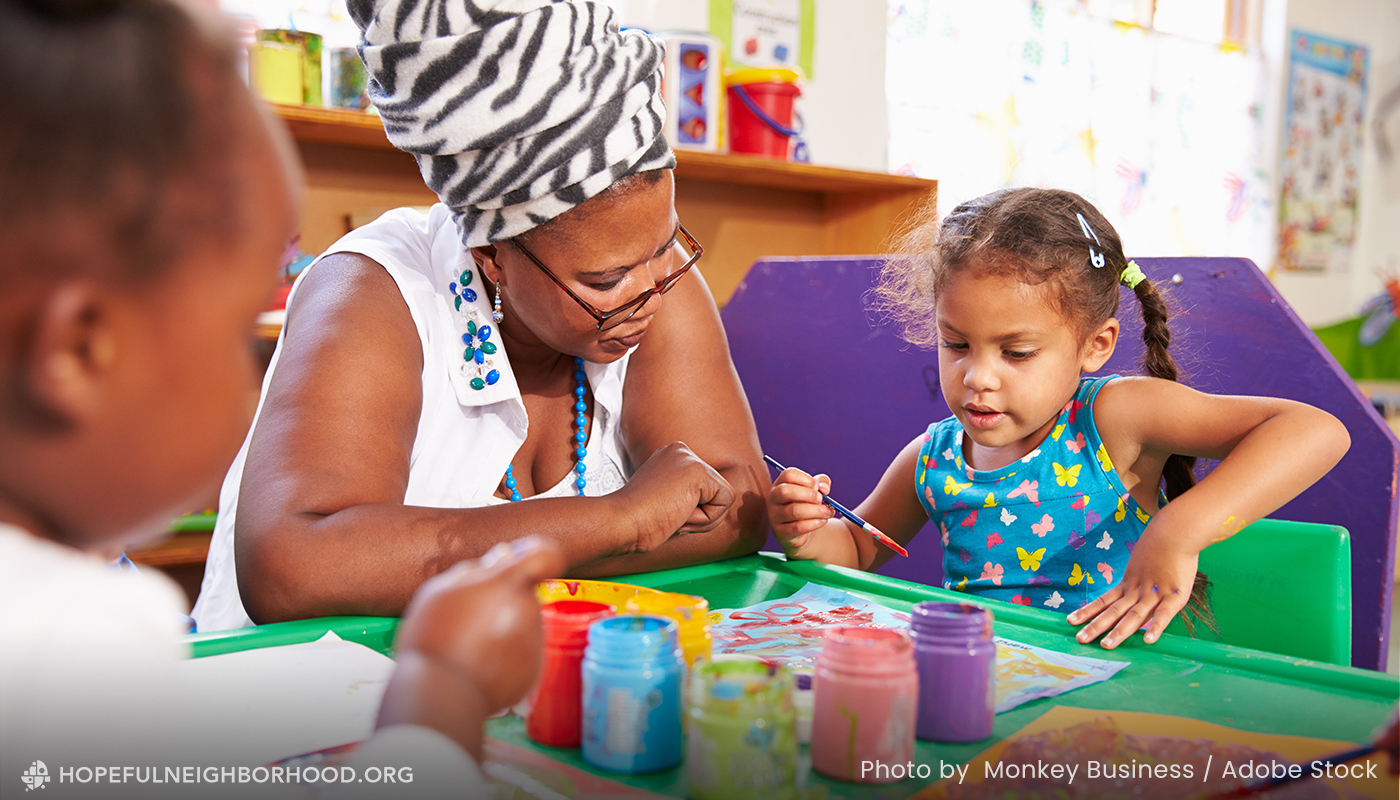
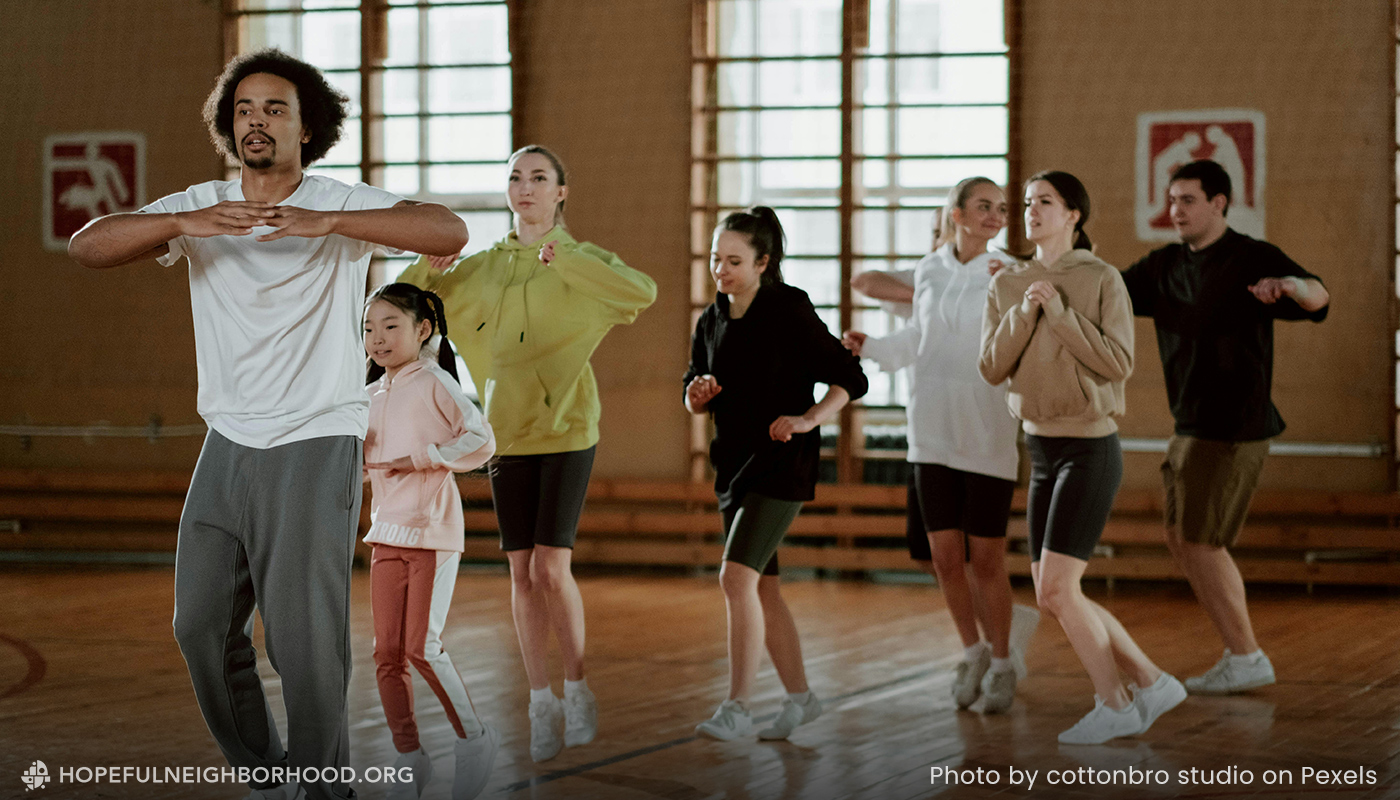
Art or athletics. Connect with your local recreation center to volunteer as a coach or teach a creative skill. These centers exist for exactly this kind of partnership.
Everyday necessities. Consider organizing a small sanitary hub. I’ve seen these work beautifully at the neighborhood level, ensuring people have consistent access to hygiene products. I guarantee you have neighbors quietly struggling to afford these basics.
Start a Little Free… Box: There is a growing movement of Little Free… fill in the blank. It started with the Little Free Library movement and has grown to include Little Free Art Gallery, Little Free Bakeries, Little Free Hygiene Kits… the list goes on and on. Consider what you have to offer and how you might share it through a Little Free Box with your community.
Go Love Your Neighbor
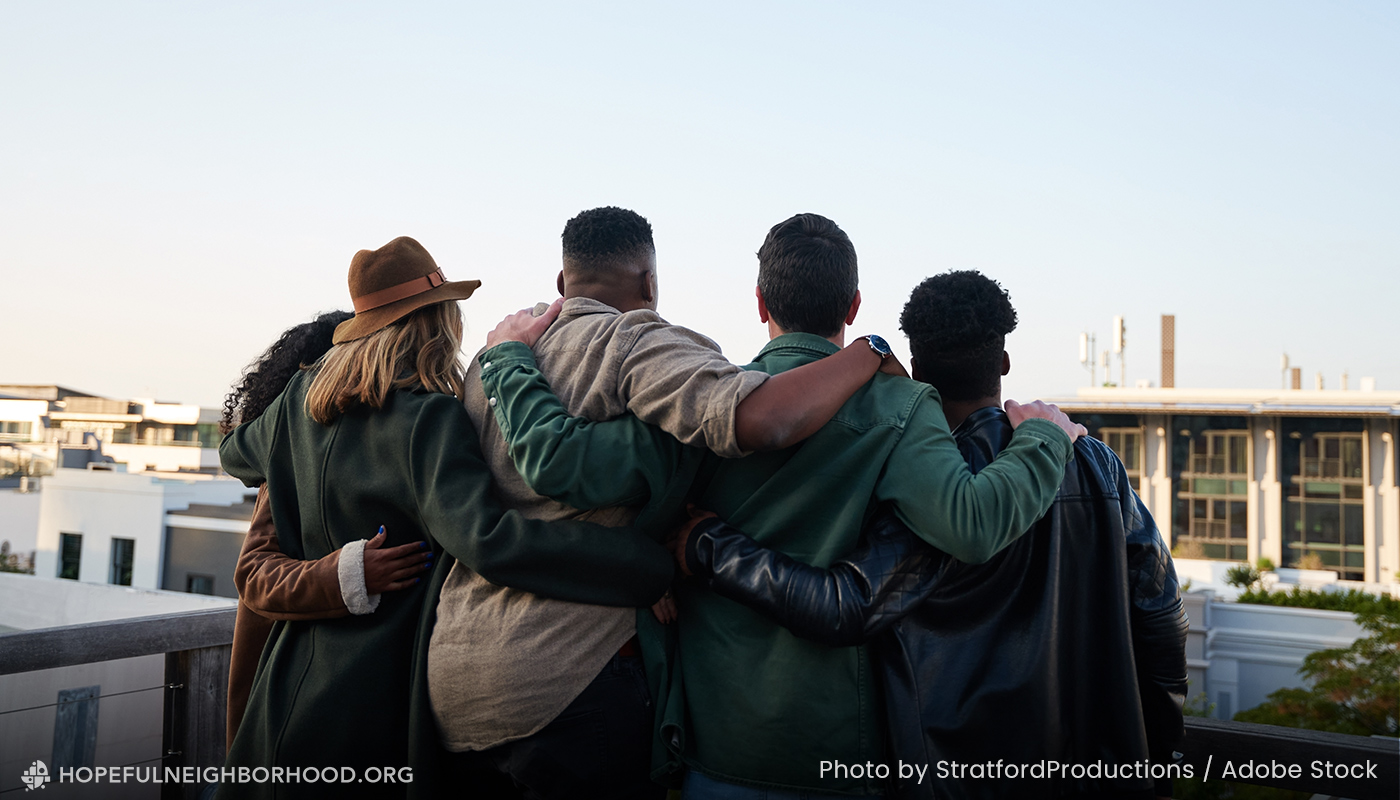
What I learned in Red Hook and confirmed over years of community work in Birmingham is that the most effective change happens when people already embedded in a neighborhood decide to invest in it. Neighbors who are present in their neighborhood can change the world.
You don’t need a title, a budget, or a strategic plan to get started. You need a willingness to look around your neighborhood and ask: What do I have, and who needs it?
The city can build the infrastructure. Only you can love the person next door. So, go do it — today.
Here are a few more blogs that can help you love your neighbor in ways that systems can’t:

0 Comments